Gastroscopy

Gastroscopy is a diagnostic procedure commonly used in horses to examine the inside of the stomach using a long, flexible camera (gastroscope).
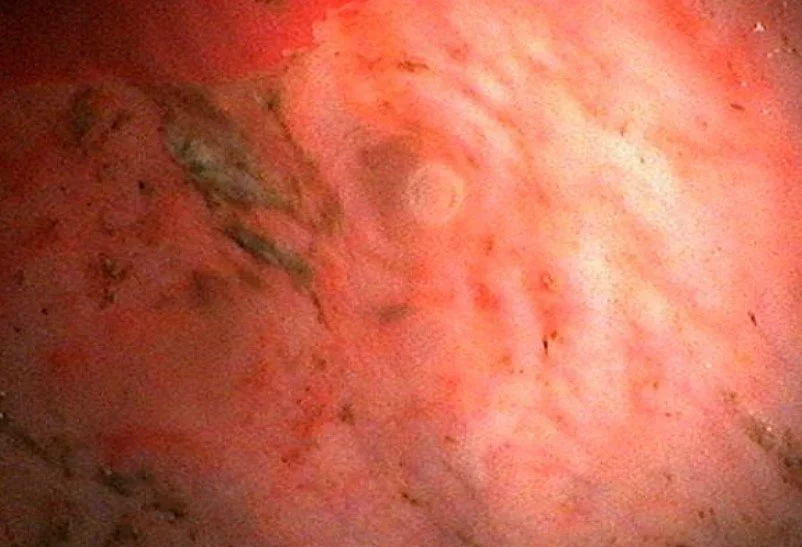
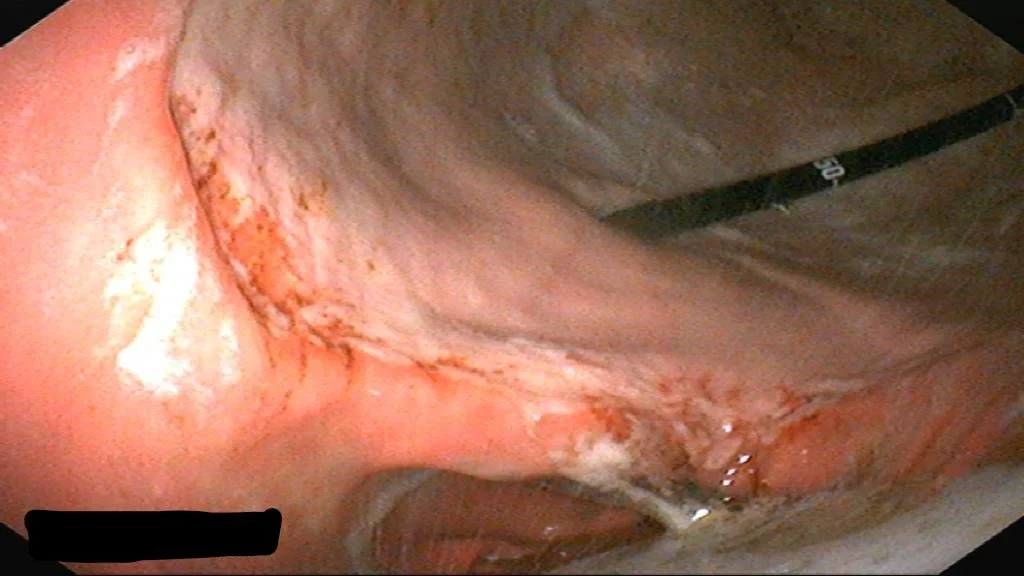
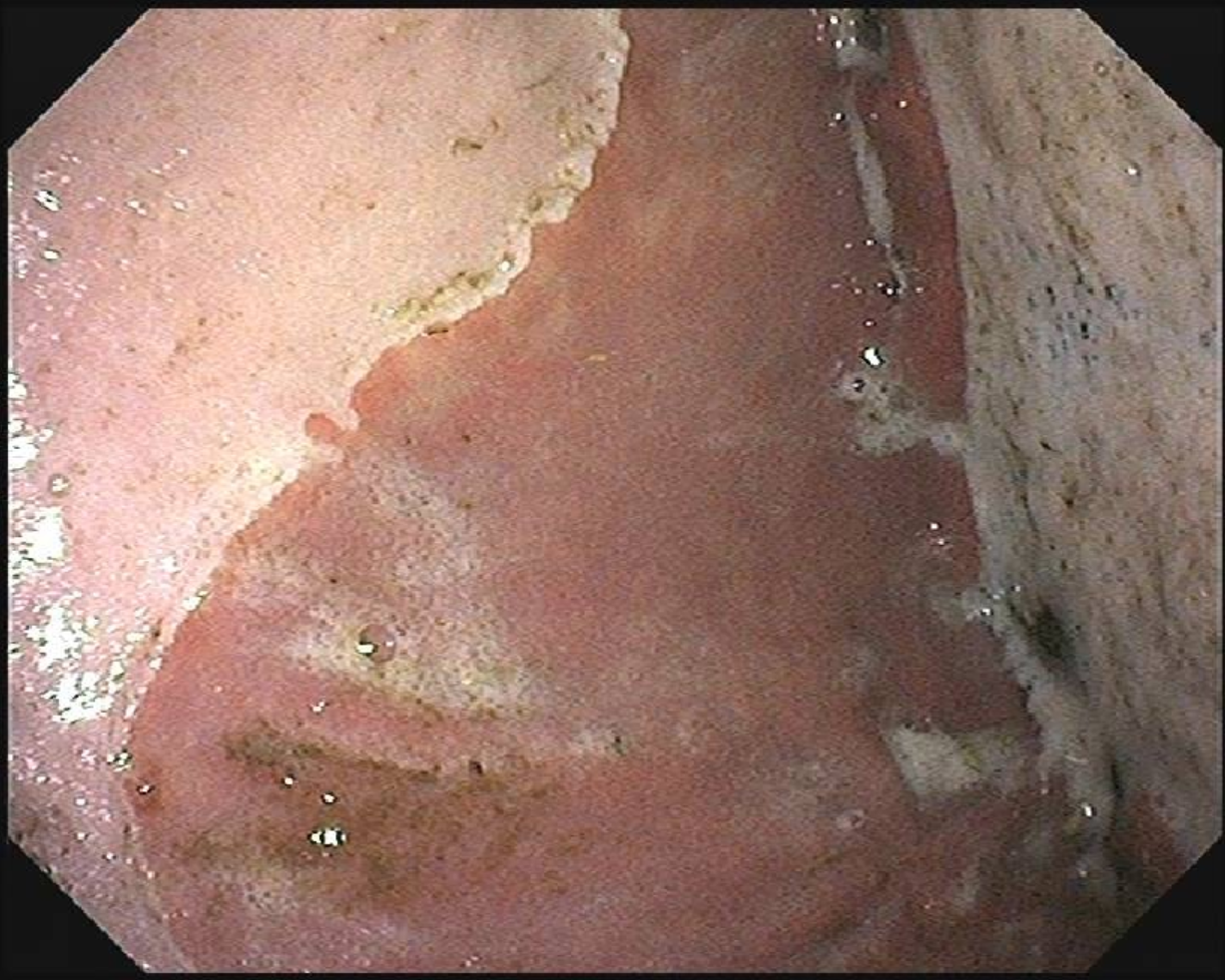
The main purpose of a gastroscopy is to check for gastric ulcers, which are very common in horses (40-60% incidence)—especially our performance horses, those in training, or horses under stress. During the procedure, the camera is passed through the horse’s nose, down the esophagus, and into the stomach, allowing a veterinarian to clearly see the stomach lining.
Gastroscopies are used to diagnose:
Gastric ulcers (both squamous and glandular)
Inflammation or irritation of the stomach lining
Erosions or lesions in the stomach
Less commonly, abnormalities in the esophagus
Veterinarians typically recommend a gastroscopy in horses showing signs such as poor appetite, weight loss, behavioral changes (like irritability or girthiness), decreased performance, or recurrent mild colic. However, some horses sufferng with gastric ulcers exhibit minimal to no outward symptoms, making diagnosis difficult without a gastroscopy.
Overall, gastroscopy is the most accurate way to confirm stomach ulcers and assess their severity, which helps guide our veterinarians to the most effective treatment plan for that specific horse.
Resources for Gastric Ulcers
See Our Gastroscopy Case Studies